
Yes, dogs can eat celery, and in moderate amounts, it’s actually a healthy snack. Celery is low in calories, contains vitamins A, C, and K, and provides a satisfying crunch that many dogs enjoy. That said, there are a few things dog owners should know before adding celery to their pup’s snack rotation. The team at Advanced Animal Care in Fort Mohave, AZ is always here to help you make informed choices about what’s safe and nutritious for your dog.
Is Celery Safe for Dogs to Eat?
Celery is safe for dogs when it’s offered in appropriate amounts and prepared correctly. It is not toxic to dogs, and the American Society for the Prevention of Cruelty to Animals (ASPCA) includes celery on its list of non-toxic foods for dogs. However, “safe” and “appropriate” are two different things, and there are some practical considerations for feeding celery to your dog.
What Makes Celery a Good Treat for Dogs?
Celery is a low-calorie snack, which makes it a good option for dogs that need to manage their weight. It contains dietary fiber, which supports digestive health, along with vitamins A, C, and K, potassium, and folate. Some dog owners report that their dogs’ breath smells fresher after chewing on celery, though this is anecdotal and not a substitute for regular dental care.
The crunch that dogs seem to love about celery also makes it a satisfying chew. For dogs that enjoy the texture of raw vegetables, celery can be a fun addition to their treat routine without adding a lot of calories to their diet.
How Much Celery Can a Dog Eat?
As with any treat, moderation is key. Treats, including healthy ones like celery, should make up no more than 10 percent of your dog’s daily caloric intake. For most dogs, this means celery should be offered as an occasional snack rather than a regular dietary staple.
Celery does contain a moderate amount of sodium compared to other vegetables, which is worth noting for dogs with heart conditions or dogs on a sodium-restricted diet. If your dog has any health conditions, it’s a good idea to check with the veterinary team at Advanced Animal Care before introducing new foods, even safe ones like celery.
How Should You Prepare Celery for Dogs?
Preparation matters when it comes to feeding celery to dogs. Serving it correctly helps prevent choking and makes it easier to digest.
- Cut celery into small, bite-sized pieces. Long stalks of celery can be a choking hazard, especially for smaller dogs. Cutting celery into small chunks removes this risk and makes the snack easier for your dog to handle.
- Remove the leaves if possible. Celery leaves are not toxic, but they have a more bitter flavor and higher concentration of certain compounds than the stalks. Many dogs will simply avoid them, but removing the leaves keeps things simple.
- Skip the seasonings and dips. Plain, raw celery is the safest option for dogs. Celery with peanut butter, ranch dressing, or seasoning adds unnecessary calories, fat, and potentially harmful ingredients like garlic or onion powder. Plain is always the safest choice.
- Wash celery thoroughly before serving. Like all fresh produce, celery should be washed to remove pesticide residues and surface bacteria.
Can Puppies Eat Celery?
Puppies can eat celery in very small amounts, but it’s generally not the best treat option for young dogs. Puppies have sensitive digestive systems that are still developing, and introducing too many new foods at once can cause gastrointestinal upset. If you want to give your puppy celery, start with a very small piece and monitor for any signs of stomach upset like diarrhea or vomiting.
The best approach for puppy nutrition is to focus on a high-quality, age-appropriate diet and limit treats overall. Your veterinarian at Advanced Animal Care can give you specific guidance on what treats and supplements are appropriate for your puppy’s age, size, and health status.
What Vegetables Are Safe for Dogs to Eat?
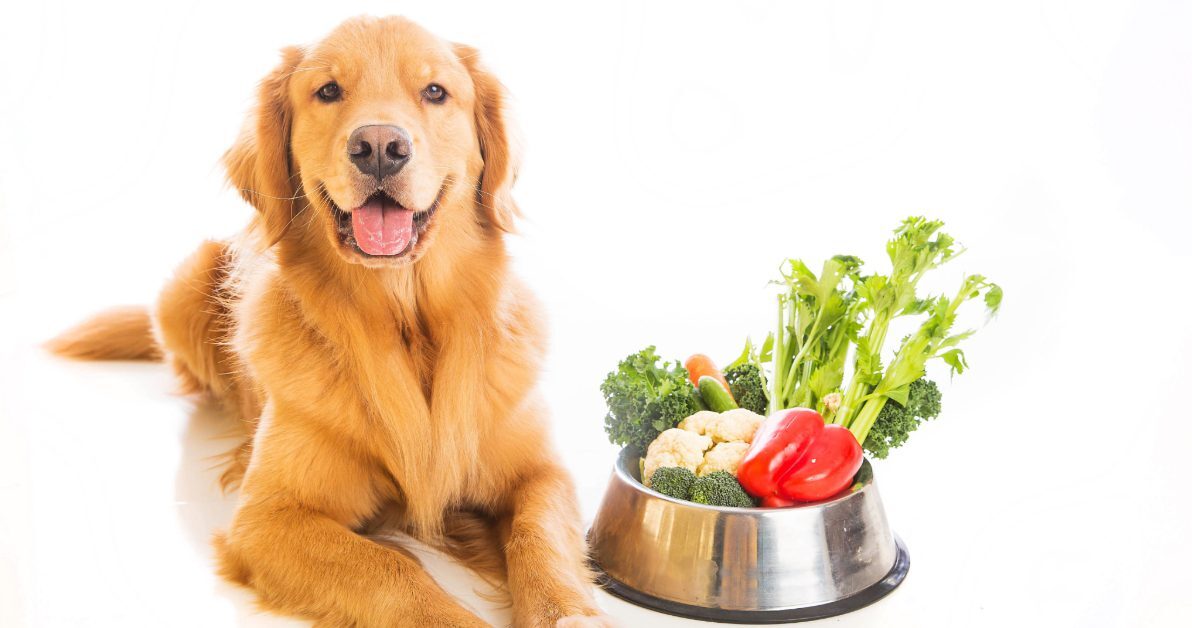
Celery is one of several vegetables that are generally safe for dogs in moderate amounts. Other dog-friendly vegetables include carrots, green beans, cucumber, and cooked sweet potato. These options are low in calories and provide nutritional variety as occasional treats.
On the other hand, some vegetables are toxic to dogs and should never be offered. Onions, garlic, leeks, and chives from the allium family are all harmful to dogs and can cause red blood cell damage. Grapes and raisins are also dangerous, as is avocado. When in doubt about whether a particular food is safe, always check with your veterinarian before offering it to your dog.
Signs Your Dog Had a Bad Reaction to Celery
Most dogs tolerate celery without any problems, but digestive upset can occur if a dog eats too much or has a sensitive stomach. Signs that your dog may have eaten too much celery or isn’t tolerating it well include loose stools, vomiting, or signs of abdominal discomfort such as bloating or whining.
A true allergic reaction to celery in dogs is rare but possible. Signs of a food reaction include itching, hives, facial swelling, or gastrointestinal distress. If your dog shows any of these symptoms after eating celery, contact Advanced Animal Care in Fort Mohave for guidance.
Other adverse reactions may include:
- Loose stools or diarrhea after eating celery may indicate your dog had too much, or that their stomach is sensitive to raw vegetables.
- Vomiting shortly after eating celery warrants monitoring and, if persistent, a call to your veterinarian.
- Choking or gagging suggests the celery pieces were too large for your dog. Always cut celery into appropriately sized pieces based on your dog’s size.
Feeding Your Dog Well Starts With Good Information
Knowing what dogs can and can’t eat is one of the most common questions pet owners have, and it’s a great sign that you’re paying attention to your dog’s nutrition. Can dogs eat celery? Yes, they can, as long as it’s prepared properly and offered in reasonable amounts. It’s a simple, healthy treat option that many dogs enjoy.
If you ever have questions about your dog’s diet, nutrition, or what treats are appropriate for their specific health needs, the team at Advanced Animal Care in Fort Mohave, AZ is happy to help. Call us at 928-770-4918 or request an appointment today. Good nutrition is a foundation of long-term health, and we’re here to support that journey with your pet every step of the way.