
If your dog is breathing heavily, it could mean anything from normal post-exercise panting to a serious medical condition that needs immediate attention. Dogs pant to regulate their body temperature, but heavy breathing that seems out of proportion, occurs at rest, or comes with other symptoms is worth investigating. At Advanced Animal Care in Fort Mohave, AZ, our veterinary team can evaluate heavy breathing in dogs and wants to help pet owners understand when it’s normal and when it’s not.
Is It Normal for Dogs to Breathe Heavy?
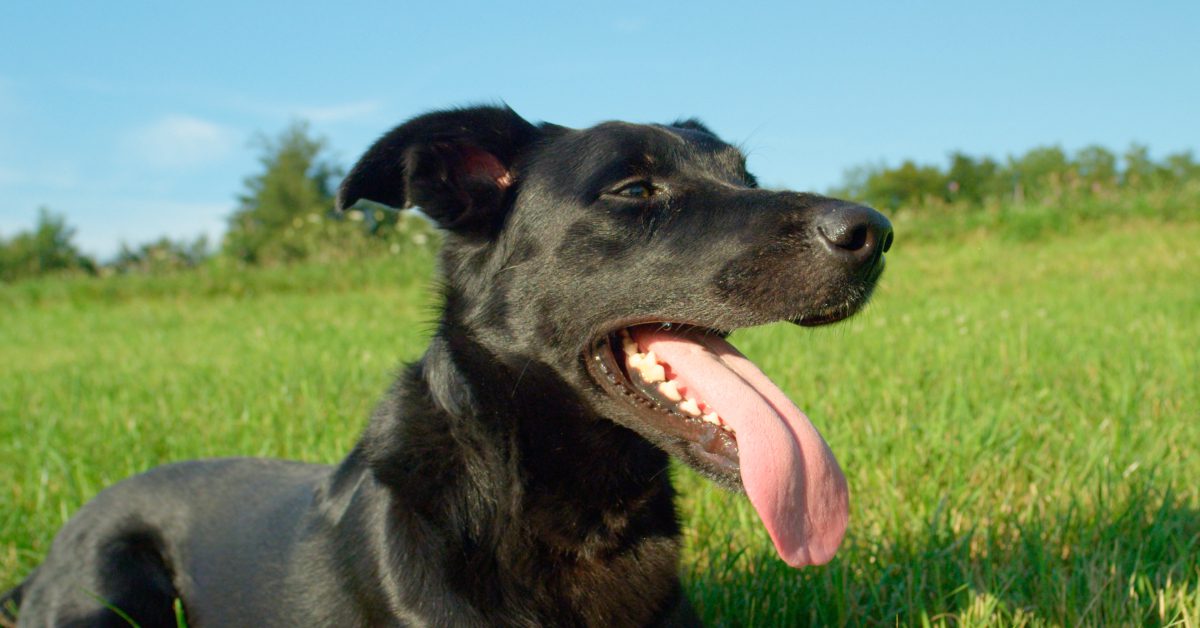
Some heavy breathing in dogs is completely normal. Dogs don’t sweat through their skin the way humans do, so they pant to dissipate heat after exercise or during warm weather. A dog that has just played fetch or gone for a run will breathe heavily, and this typically resolves within a few minutes of rest.
However, heavy breathing becomes a concern when it occurs without obvious physical exertion, persists longer than expected, or accompanies other signs of distress. When a dog is breathing heavy at rest, sleeping, or in a cool environment, it’s time to figure out why.
Common Reasons Why Dogs Breathe Heavy
There are many possible explanations for heavy breathing in dogs. Some are benign and temporary, while others indicate serious medical conditions that require prompt veterinary evaluation. Here are some of the most common reasons your dog might be breathing heavy.
Heat and Overheating
In Fort Mohave and the surrounding Mohave Desert area, heat is one of the most common triggers for heavy breathing in dogs. High ambient temperatures cause dogs to pant more intensely to cool down. If your dog is breathing heavy in the heat and also shows signs like drooling, weakness, bright red gums, or disorientation, heat stroke may be developing. This is a medical emergency that requires immediate veterinary care at Advanced Animal Care.
Pain or Discomfort
Dogs often breathe heavily when they are in pain. This can occur with conditions like orthopedic injuries, abdominal pain, urinary obstructions, or dental disease. If your dog is breathing heavy and seems reluctant to move, is hunched, or reacts when you touch a specific area of their body, pain may be the underlying cause.
Anxiety and Stress
Heavy breathing is a common stress response in dogs. A dog that’s anxious about thunderstorms, fireworks, car rides, or veterinary visits may pant and breathe rapidly as part of their stress response. This type of heavy breathing usually resolves once the stressor is removed, but chronic anxiety can become a quality-of-life concern worth discussing with your veterinarian.
Respiratory Conditions
Various respiratory conditions can cause a dog to breathe heavy, including pneumonia, bronchitis, collapsing trachea, and pleural effusion (fluid around the lungs). A dog with a respiratory condition often shows labored breathing that doesn’t resolve with rest, and may have a cough, wheeze, or appear to struggle to get enough air.
Heart Disease
Heart disease is another significant reason why dogs breathe heavy, especially in middle-aged and older dogs. When the heart isn’t pumping efficiently, fluid can accumulate in or around the lungs, making breathing difficult. A dog with heart disease may breathe heavy at night, have a persistent cough, tire quickly with exercise, or have a decreased appetite and energy level. Certain breeds, including Cavalier King Charles Spaniels, Dobermans, and Boxers, have higher rates of heart disease.
Anemia
Anemia, or low red blood cell count, means the body is not getting enough oxygen to its tissues. The body compensates by breathing faster and more heavily. A dog with anemia may also appear pale or white in their gums, be lethargic, and have a reduced appetite. Anemia has many causes, including blood loss, immune-mediated disease, and toxin ingestion.
Why Is My Dog Breathing Heavy at Night?
Heavy breathing in dogs during sleep or at rest at night is worth noting. Dogs that breathe heavily while resting may have heart disease, respiratory problems, or fluid accumulation in the chest. Brachycephalic breeds like Bulldogs, French Bulldogs, Pugs, and Shih Tzus are prone to sleep-related breathing difficulty due to the structure of their airways, a condition called brachycephalic obstructive airway syndrome (BOAS).
If your dog’s nighttime or resting breathing seems labored, noisy, or has changed recently, schedule an evaluation at Advanced Animal Care. This isn’t a symptom to dismiss.
When Should You Take Your Dog to the Vet for Heavy Breathing?
Some episodes of heavy breathing are short-lived and clearly explainable. Others require prompt veterinary attention. Knowing the difference protects your pet.
- Heavy breathing that doesn’t resolve with rest in a cool environment is not normal and warrants a veterinary call.
- Blue, gray, or very pale gums alongside heavy breathing indicate oxygen deprivation, a medical emergency. Go directly to a veterinary clinic.
- Sudden onset of heavy breathing with no clear trigger, especially in older dogs, could indicate a cardiac event, pulmonary embolism, or other acute medical problem.
- Heavy breathing with other symptoms like coughing, nasal discharge, vomiting, lethargy, or collapse requires same-day veterinary evaluation.
- Heavy breathing after a potential toxin exposure or trauma should always be treated as an emergency.
How Is Heavy Breathing in Dogs Diagnosed?
At Advanced Animal Care, diagnosing the cause of heavy breathing in dogs typically involves a thorough physical examination, listening to the heart and lungs with a stethoscope, and potentially chest X-rays, blood work, and additional diagnostics depending on what the veterinarian finds on exam. The goal is to identify the underlying cause so that the right treatment can be initiated quickly.
A complete history from the pet owner is also invaluable. When did the heavy breathing start? Does it happen at rest or only after activity? Is it getting worse? Has your dog been exposed to heat, chemicals, or other animals? This context helps our team evaluate your dog’s condition more accurately and efficiently.
Our diagnostic methods include:
- Physical exams allow our veterinarian to assess heart sounds, lung sounds, and overall respiratory effort.
- Chest X-rays can reveal fluid in the lungs, heart enlargement, masses, or other structural abnormalities.
- Blood work identifies anemia, infection, organ dysfunction, and other systemic conditions that contribute to respiratory symptoms.
- Echocardiograms are a safe, non-invasive diagnostic tool that visualizes the heart’s structure and function in real time. An echocardiogram gives our veterinarians a detailed picture of how the heart is performing. Our team works hand in hand with board-certified veterinary cardiologists to ensure your dog receives the specialized care they need.
What Heavy Breathing in Your Dog Is Telling You
Your dog’s breathing is one of the most direct windows into their health. When a dog is breathing heavy without a clear reason, it’s their body communicating that something is off. Paying attention to changes in your pet’s breathing pattern and acting on them promptly is one of the most important things you can do as a pet owner.
Our veterinary team at Advanced Animal Care in Fort Mohave, AZ is here to help you get to the bottom of why your dog is breathing heavy and to provide the care they need. Call us at 928-770-4918 to schedule an appointment or to discuss whether your dog needs to be seen today.