
Parvo in dogs is spread through direct contact with infected dogs or contaminated environments, and yes, it can be treated when caught early. Canine parvovirus is one of the most serious and highly contagious diseases veterinarians see, and understanding how it spreads is the first step in protecting your dog. At Advanced Animal Care in Fort Mohave, AZ, our team treats parvo cases and educates pet owners on prevention so more dogs in our community stay healthy.
What Is Canine Parvovirus?
Canine parvovirus (CPV) is a highly contagious viral illness that primarily affects a dog’s gastrointestinal tract and immune system. The virus attacks rapidly dividing cells, particularly those lining the intestines and in bone marrow, which is why parvo causes such severe vomiting, diarrhea, and immune suppression.
Parvovirus is most dangerous in puppies under six months of age, unvaccinated dogs, and immunocompromised animals. Certain breeds, including Rottweilers, Doberman Pinschers, and German Shepherds, appear to have a higher susceptibility to severe parvovirus infection, though any unvaccinated dog is at risk.
How Is Parvo in Dogs Spread?
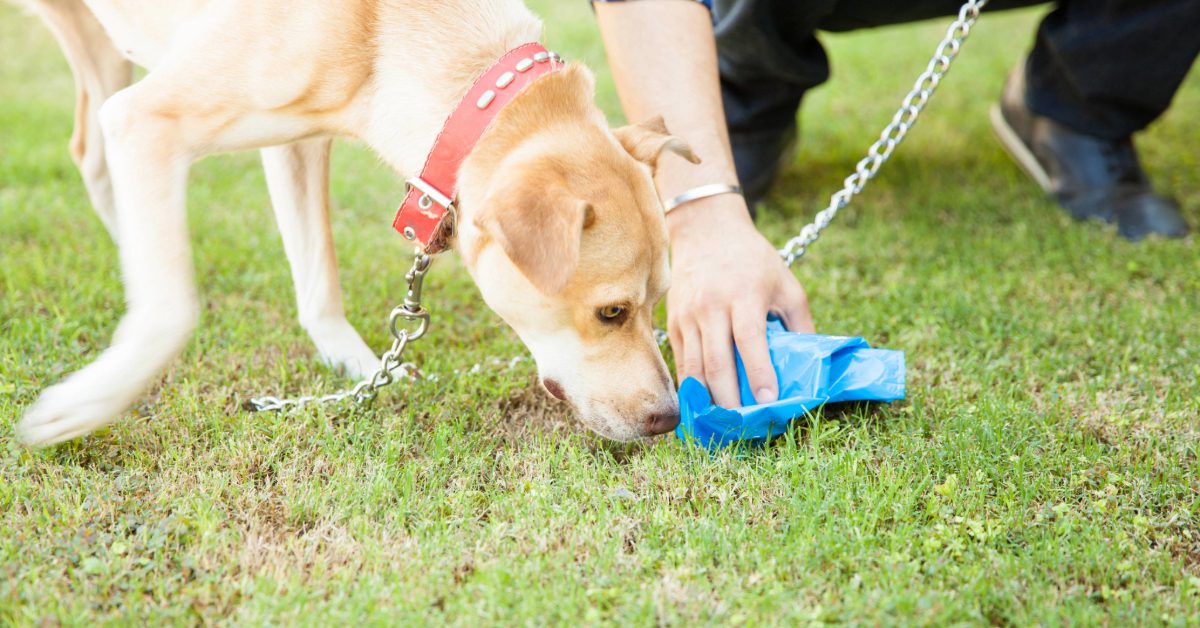
Parvo in dogs is spread primarily through fecal-oral transmission. An infected dog sheds large quantities of the virus in its feces, and healthy dogs can pick up the virus by sniffing, licking, or coming into contact with that contaminated material. Transmission doesn’t require direct dog-to-dog contact.
Can Dogs Get Parvo From the Ground?
Yes. One of the most alarming facts about canine parvovirus is how long it survives in the environment. The virus can live in soil, on surfaces, and in contaminated areas for months to years. A dog walking through a park, dog run, or yard where an infected dog has been can pick up parvo from the ground, even if no sick dog is currently present.
This is why areas with high dog traffic, like boarding facilities, dog parks, and shelters, carry a higher risk of parvo exposure for unvaccinated dogs.
Can Humans Spread Parvo to Dogs?
While humans cannot contract canine parvovirus themselves, they can unintentionally carry the virus on their shoes, clothing, or hands after contact with contaminated environments. This means parvo in dogs can be spread indirectly, even when no other dogs are present.
What Are the Signs of Parvo in Dogs?
Recognizing the symptoms of parvovirus quickly is critical to a dog’s survival. The incubation period from exposure to visible symptoms is typically three to seven days. Early signs can be subtle, but the illness progresses rapidly.
- Severe, bloody diarrhea is one of the most recognizable signs of parvo and requires immediate veterinary attention.
- Vomiting often accompanies diarrhea and contributes to dangerous dehydration very quickly.
- Lethargy and loss of appetite are early warning signs that often appear before the gastrointestinal symptoms intensify.
- Fever or low body temperature can both occur as the infection progresses and the immune system is overwhelmed.
- Abdominal pain or bloating may also be present, and affected puppies often appear hunched or reluctant to move.
If your dog or puppy is showing any of these signs, contact Advanced Animal Care right away. Parvo is a medical emergency.
Can Parvo in Dogs Be Treated?
Parvo can be treated, and with aggressive supportive care, many dogs do survive. However, there is no antiviral drug that directly eliminates parvovirus. Treatment focuses on supporting the dog’s body while the immune system fights the infection and preventing secondary complications.
What Does Parvo Treatment Involve?
Dogs with parvovirus are typically hospitalized for several days. The veterinary team at Advanced Animal Care provides intensive supportive care that includes intravenous fluids to combat dehydration, anti-nausea medications, antibiotics to prevent secondary bacterial infections (which are a serious risk due to the compromised intestinal lining), nutritional support, and close monitoring of vital signs and blood values.
The earlier parvo treatment begins, the better the outcome. Dogs that receive prompt veterinary care have significantly higher survival rates than those who go untreated or are treated late in the course of the disease.
What Is the Survival Rate for Parvo in Dogs?
With proper veterinary treatment, survival rates for canine parvovirus can reach 68 to 92 percent. Without treatment, the mortality rate is extremely high, often exceeding 90 percent. This underscores how critical it is to seek veterinary care immediately if parvo is suspected.
How Is Parvo in Dogs Prevented?
Vaccination is the most reliable way to prevent parvo in dogs. The parvovirus vaccine is a core vaccine, meaning it is recommended for all dogs regardless of lifestyle. Puppies receive a series of vaccinations beginning at six to eight weeks of age, with boosters given every three to four weeks until they are around 16 weeks old. After that, dogs receive booster vaccinations on a schedule recommended by their veterinarian.
Until a puppy has completed its full vaccination series, it should not be taken to high-risk areas like dog parks or boarding facilities where parvo exposure risk is elevated. This is an important safeguard that the team at Advanced Animal Care discusses with every new puppy owner during their first wellness visit.
Additional prevention methods include:
- Keeping vaccinations current for all dogs in the household. Even adult dogs benefit from staying on their recommended booster schedule.
- Avoiding high-risk environments with puppies who haven’t completed their vaccine series, including dog parks, pet stores, and unknown outdoor areas.
- Disinfecting properly if parvo is suspected in your home or yard. The virus requires a bleach-based disinfectant to be neutralized on hard surfaces. Many common household cleaners are not effective against it.
Parvo in Fort Mohave and the Arizona Desert Climate
Arizona’s warm climate is hospitable to parvo year-round. The virus can survive in shaded or sheltered environments even during hot desert summers. For dog owners in Fort Mohave, Bullhead City, and the surrounding Mohave Valley area, keeping vaccinations current is especially important given the number of outdoor environments where dogs interact with other animals and shared spaces.
If you’re unsure whether your dog’s parvo vaccination is current, our team at Advanced Animal Care can review your pet’s records and provide any needed boosters to make sure they’re fully protected.
Act Fast If You Suspect Parvo
Parvo in dogs spreads easily, progresses quickly, and can be fatal without treatment. The best protection is a fully vaccinated dog and a veterinary team that knows your pet. If your puppy or dog is vomiting, has bloody diarrhea, or is lethargic and off their food, call Advanced Animal Care in Fort Mohave, AZ at 928-770-4918 immediately. Fast action gives your dog the best possible chance at a full recovery.