
Uncategorized
Signs of Parvovirus in Dogs: How to Keep Your Dog Safe
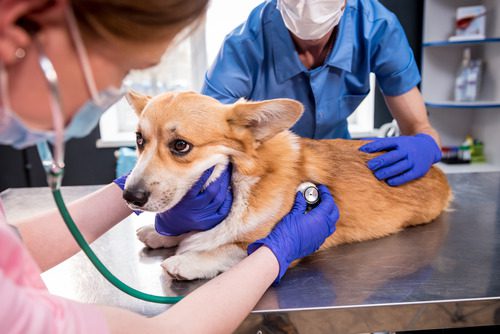
Parvovirus in dogs is a serious and highly contagious illness that can progress rapidly and requires urgent veterinary attention. This virus primarily targets a dog’s gastrointestinal system and is most dangerous to puppies and unvaccinated dogs. If you’re a pet owner in Fort Mohave, understanding what to look for and how to respond can make…
Read MoreWhy Yearly Lab Work for Pets is Important

As a pet owner, you do your best to schedule routine checkups, keep up with vaccinations, and monitor your pet’s diet and exercise. But one important part of preventive care often gets overlooked: annual lab testing. Understanding why yearly lab work for pets is important can make all the difference in detecting hidden health issues,…
Read MoreLiver Flukes in Cats and Dogs: What Pet Owners in Fort Mohave Should Know

When we think about parasites, fleas and ticks usually come to mind first. But there are other, harder-to-see parasites that can cause serious problems—like liver flukes. Liver flukes are tiny flatworms that can infect your dog or cat, especially if they spend time outdoors near water or wildlife. While liver flukes haven’t been reported in…
Read MorePuncture Wounds in Dogs: Common Causes and Treatment

A puncture wound can look minor on the surface, but it often signals something more serious underneath. These injuries, typically caused by bites, sharp objects, or accidents, can lead to infection or internal damage if not addressed promptly. For dog owners in Fort Mohave, it’s important to recognize when a puncture wound needs veterinary attention…
Read MoreImportance of Blood Parasite and Heartworm Tests for Pets

When it comes to protecting your pet’s health, routine diagnostics make all the difference. One of the most effective ways to stay ahead of serious illnesses is through regular blood parasite & heartworm tests for pets. These screenings can detect invisible threats before they progress into advanced health concerns. At Advanced Animal Care in Fort…
Read MoreDog Oleander Poisoning: Signs and Treatment

Oleander plants may look beautiful in landscaping, but they pose a serious danger to dogs. Known for their striking blooms and evergreen leaves, oleanders contain toxic compounds that can cause life-threatening symptoms in pets. If you live in Fort Mohave or the surrounding areas, there’s a good chance you’ve seen this plant growing nearby. Whether…
Read MoreSigns of Ringworm in Cats: How Ringworm Can be Treated
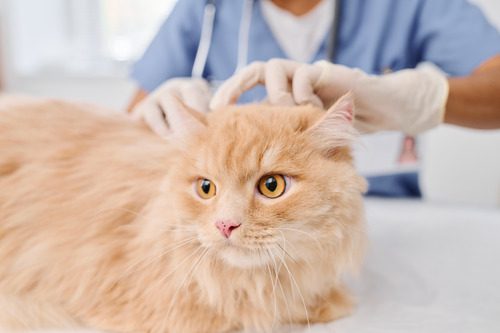
If your cat has patchy hair loss or skin lesions, it’s natural to feel concerned. One common culprit behind these symptoms is ringworm—a highly contagious fungal infection that can spread quickly among pets and even to people. Learning to recognize the signs of ringworm can help you get the right veterinary care and reduce the…
Read MoreGross Teeth in Dogs: Signs and Treatment of Dog Teeth Rotting

Rotting teeth in dogs are more than just a cosmetic issue, they’re painful, progressive, and can seriously impact a pet’s health. If your dog has bad breath, drooling, visible decay, or trouble eating, they may be dealing with dental disease. Early signs often go unnoticed, and by the time symptoms appear, the damage is often…
Read MorePet Ultrasounds: What Are They and Why They Are Important
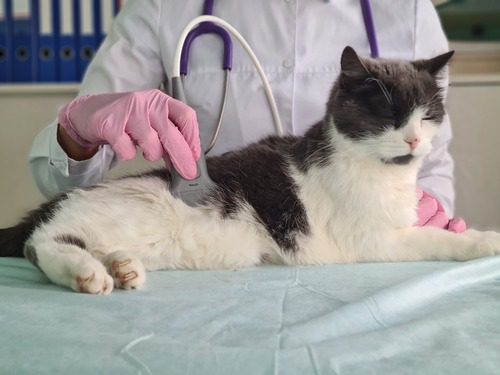
When a pet isn’t feeling well or shows signs that something isn’t quite right, pinpointing the cause quickly becomes the priority. That’s where diagnostic tools like pet ultrasounds make a big difference. They offer a non-invasive way to view what’s happening inside your pet’s body, helping veterinarians make informed decisions without surgery or guesswork. Whether…
Read MoreBrown Recluse Spider Bites on Dogs
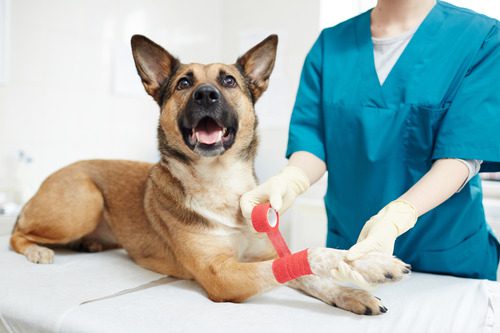
Brown recluse spider bites on dogs can be a distressing experience for both pets and their owners. These bites, often hard to detect at first, can lead to serious health complications if left untreated. In areas like Fort Mohave, AZ, where these spiders are more common, it’s important to recognize the signs early to help…
Read More